
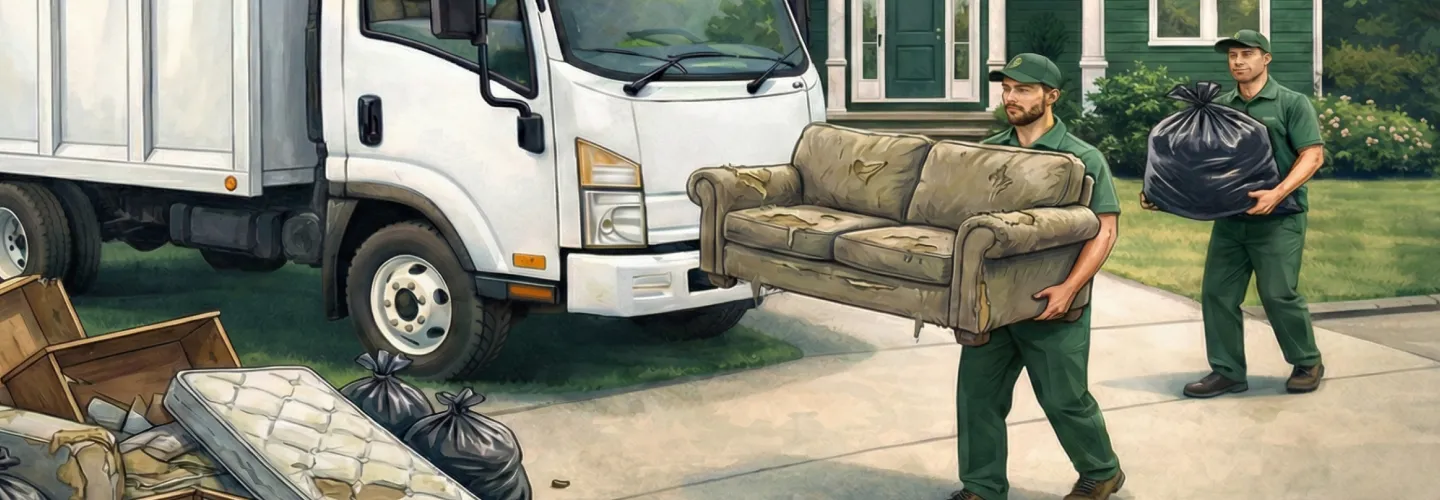
Bridgewater Foreclosure Clean Outs Services
Choose us for your foreclosure clean outs and experience fast, thorough service from a trusted local team dedicated to restoring properties to their best condition with care and professionalism.
Get a Free QuoteOur Bridgewater Junk Removal Services
Foreclosure Clean Outs in Bridgewater, MA – Local Service Guide
Foreclosure clean outs in Bridgewater, MA require a local approach, balancing speed, compliance, and sensitivity. In neighborhoods like Scotland Park and High Street, residential items such as furniture, mattresses, and appliances often need removal after property turnover or seasonal changes. Many residents opt to donate usable goods or recycle scrap metal, while larger items like hot tubs or sheds may require special equipment, especially during wet spring months or snowy winters. For residential spaces—garages, basements, and yards—clean outs often follow storms or during annual yard waste pickups, with areas near the Taunton River facing unique flooding and debris challenges. Commercial properties in Bridgewater’s business districts, including Broad Street and the industrial park, face strict timelines and privacy needs, especially for offices, restaurants, and warehouses. Specialty clean outs, such as for foreclosures, demand careful planning, coordination with property managers, and adherence to local disposal rules. For more on local regulations, visit the official Bridgewater city website.
Benefits of Foreclosure Clean Outs in Bridgewater
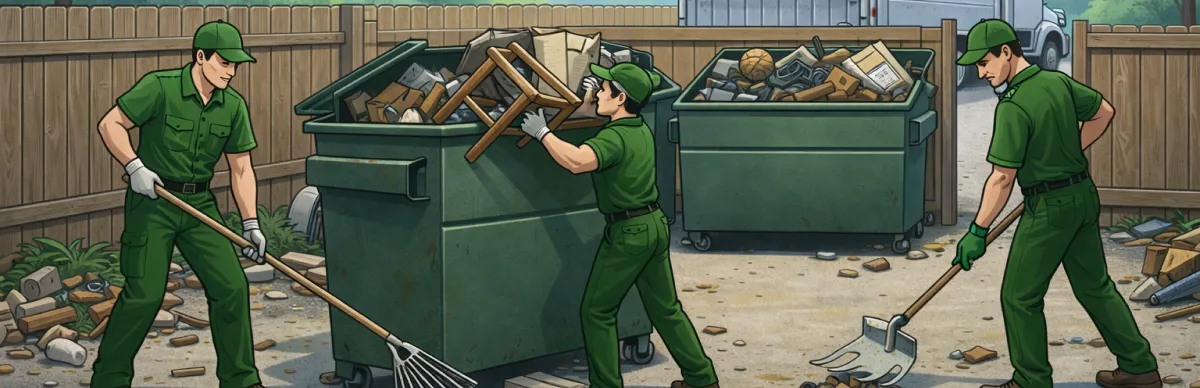
Fast Turnaround Times
Comprehensive Property Cleaning
Experienced Clean Out Professionals
Eco-Friendly Disposal Solutions
Flexible Scheduling Options
Affordable Foreclosure Clean Out Rates
Coordinating Foreclosure Clean Outs with Bridgewater’s Solid Waste Management Programs
Foreclosure clean outs in Bridgewater, MA must adhere to the city’s solid waste management protocols to ensure legal and environmentally responsible disposal. The Department of Public Works oversees bulk waste collection, which requires residents or property managers to schedule pickups for large items such as furniture and appliances. Bulk trash is collected monthly, typically on the first Monday, and items must be placed curbside by 6:00 AM. The Bridgewater Transfer Station, located at 151 High Street, operates Monday through Saturday from 7:00 AM to 5:00 PM and accepts a range of materials for a fee (minimum $10, $35 per ton for general waste). Proper documentation, such as a resident permit or utility bill, is required for access. Prohibited items include hazardous waste, electronics, and certain construction debris. For large-scale clean outs, commercial haulers must be licensed by the city and comply with all municipal disposal regulations.
Department of Public Works
66 Central Square, Bridgewater, MA 02324
Phone: (508) 697-0931
Official Website: Department of Public Works
- Schedule bulk pickups at least 48 hours in advance
- Place items curbside by 6:00 AM on collection day
- Bring valid ID or utility bill to the transfer station
- Pay disposal fees by volume or weight
- Use licensed haulers for commercial-scale clean outs
Ensuring Environmental Compliance: Bridgewater and Massachusetts Waste Disposal Laws
All foreclosure clean outs in Bridgewater must comply with both local and state environmental regulations. Massachusetts enforces strict landfill bans on materials such as electronics, mattresses, appliances with refrigerants, and hazardous waste. The Massachusetts Department of Environmental Protection (MassDEP) mandates recycling of CRT monitors, mercury-containing devices, and certain construction debris. Bridgewater’s transfer station does not accept banned items; instead, residents must use designated recycling or hazardous waste facilities. Annual household hazardous waste collection events are held locally, and advance registration is required. Violations of landfill bans can result in fines ranging from $100 to $500 per incident. For appliances, refrigerant recovery must be performed by a certified technician in accordance with EPA Section 608 regulations. Always separate recyclable and hazardous materials before removal to avoid contamination and ensure compliance.
Massachusetts Department of Environmental Protection
One Winter Street, Boston, MA 02108
Phone: (617) 292-5500
Official Website: Massachusetts Department of Environmental Protection
- Electronics and CRTs banned from landfill disposal
- Mattresses require separate recycling (fees may apply)
- Hazardous waste accepted only at special events
- Appliances must have refrigerants removed by certified personnel
- Fines imposed for improper disposal or contamination
Permitting, Code Enforcement, and Legal Requirements for Bridgewater Foreclosure Clean Outs
Legal compliance is essential when conducting foreclosure clean outs in Bridgewater. The city requires right-of-way permits for parking removal trucks on public streets, especially in densely populated or historic areas. Building permits may be necessary if clean outs involve demolition or renovation debris. The Department of Code Enforcement monitors illegal dumping and enforces property maintenance codes, with violations subject to fines or abatement orders. In historic districts or properties governed by homeowners’ associations (HOAs), additional approvals may be required before commencing work. Commercial haulers must provide proof of insurance and a valid business license. All permits should be obtained at least five business days in advance to avoid project delays. For questions regarding code compliance or permit applications, contact the city’s Building Department.
Building Department
66 Central Square, Bridgewater, MA 02324
Phone: (508) 697-0900
Official Website: Building Department
- Obtain right-of-way permits for truck parking
- Secure building permits for demolition debris
- Coordinate with HOAs or historic district boards as needed
- Ensure commercial haulers are licensed and insured
- Schedule permit applications at least five days in advance
Recycling and Material Recovery Options for Foreclosure Clean Outs in Bridgewater
Bridgewater encourages recycling and material recovery during foreclosure clean outs to reduce landfill waste and comply with state mandates. The city’s transfer station accepts sorted recyclables, including cardboard, scrap metal, and certain plastics, during regular hours. Electronics recycling is available through regional programs, as Massachusetts bans CRTs and many electronics from landfills (How & Where to Recycle). Mattresses and box springs must be recycled separately; fees may apply, and drop-off is available at designated facilities. Appliances containing refrigerants require certified removal before acceptance. Donation centers such as Habitat for Humanity ReStore accept reusable furniture and building materials, helping divert items from disposal. Residents should separate materials at the source to streamline recycling and avoid contamination fees at the transfer station.
- Recycle electronics at approved facilities (no curbside collection)
- Drop off mattresses at designated recycling locations
- Donate usable furniture to local charities
- Separate metals, cardboard, and plastics for transfer station recycling
- Remove refrigerants from appliances before disposal
What Neighborhoods Do We Serve Throughout Bridgewater, MA?
- Bridgewater Center: Features a mix of historic homes and multi-family residences. Narrow streets and limited parking require advance truck access planning and may necessitate right-of-way permits for removal vehicles.
- Scotland Park: Predominantly single-family homes with driveways, allowing easier curbside placement of items for bulk pickup. Older properties may require lead-safe work practices during clean outs.
- South Bridgewater: Includes newer developments and some commercial properties. Wide streets facilitate large vehicle access, but HOA rules may restrict disposal hours and require advance notification.
- Elmwood: Characterized by older homes and small apartment buildings. Stairwell-only access and limited curb space can complicate removal logistics, especially for large or heavy items.
- Titicut: Rural area with larger lots and private roads. Extended driveways and soft ground conditions may require specialized equipment for safe removal and transport.
- High Street Corridor: Commercial and mixed-use buildings with rear loading zones. Coordination with property managers is essential for scheduling and compliance with business waste regulations.
- Bridgewater State University Area: High student turnover leads to frequent clean outs. Multi-story buildings and limited parking require careful scheduling and adherence to city noise ordinances.