
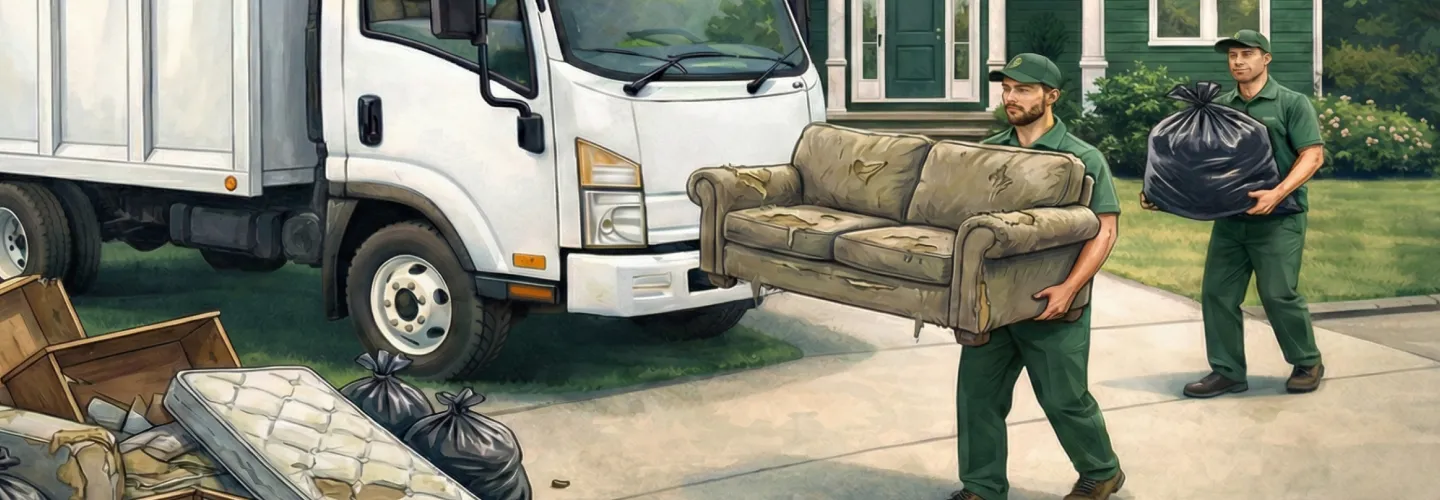
Bridgewater Yard Waste Removal Services
Choose our Yard Waste Removal for fast, eco-friendly service that keeps your property spotless and your weekends worry-free.
Get a Free QuoteOur Bridgewater Junk Removal Services
Yard Waste Removal in Bridgewater, MA – Local Service Guide
Yard waste removal in Bridgewater, MA is a seasonal necessity, especially after spring cleanups, autumn leaf drops, and post-storm debris. Residents in neighborhoods like Scotland Park and High Street often schedule pickups following heavy winds or when preparing gardens for new plantings. Local disposal options include curbside collection, composting, or drop-off at designated town facilities. For larger properties or those with significant tree coverage, such as homes near Lake Nippenicket, regular removal helps prevent flooding and pest issues. Bridgewater’s town guidelines require proper bagging and separation of yard waste, and some areas may need permits for bulk disposal. Commercial properties, including those along Broad Street, must coordinate removal to avoid disrupting business operations and comply with local regulations. Specialty projects, like construction or estate cleanouts, demand advance planning and may require dumpsters or special handling. For more on local rules and resources, visit the official Bridgewater city website.
Key Considerations for Yard Waste Removal in Bridgewater
- Timing: Schedule around peak yard cycles and after storms
- Permits: Check if your area or project size requires one
- Disposal Channels: Use town-approved bags and drop-off sites
- Access: Ensure clear paths for collection vehicles
- Volume: Estimate debris to select the right service
- Coordination: Align with local pickup schedules and property needs
Benefits of Yard Waste Removal in Bridgewater
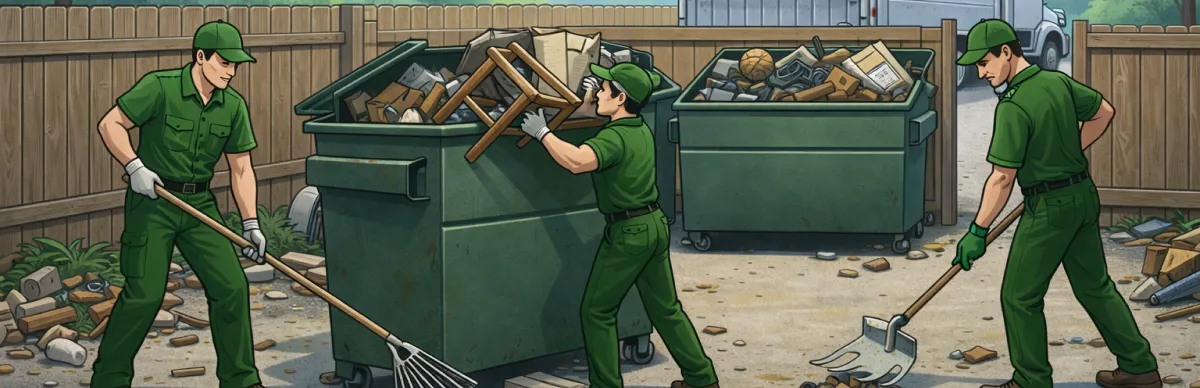
Fast Yard Waste Pickup
Eco-Friendly Disposal
Affordable Service Rates
Experienced Local Team
Flexible Scheduling Options
Comprehensive Cleanup Solutions
Coordinating Yard Waste Removal with Bridgewater’s Department of Public Works
Proper yard waste removal in Bridgewater, MA is managed through the Department of Public Works (DPW), which oversees curbside collection and transfer station operations. Residents must adhere to the town’s collection schedule, typically running from April through November, with pickups occurring every other week. Yard waste must be placed in biodegradable paper bags or open barrels (no plastic bags permitted) and set curbside by 7:00 AM on collection days. Accepted materials include grass clippings, leaves, and small branches (bundled, no longer than 4 feet, and under 4 inches in diameter). The DPW also operates a transfer station at 151 High Street, open Monday through Saturday, 7:00 AM to 5:00 PM, where residents can drop off yard waste with proof of residency. Fees may apply for large volumes or commercial loads. Violations, such as improper bagging or placement, may result in non-collection or code enforcement action.
Department of Public Works
66 Central Square, Bridgewater, MA 02324
Phone: (508) 697-0931
Official Website: Department of Public Works
- Curbside yard waste collection: April–November, every other week
- Use paper bags or open barrels only (no plastic)
- Branches: bundled, max 4 feet long, 4 inches diameter
- Transfer station drop-off: 151 High Street, Mon–Sat 7AM–5PM
- Proof of residency required; fees for large/commercial loads
Bridgewater’s Yard Waste Disposal Regulations and Environmental Compliance
Bridgewater enforces strict yard waste disposal regulations to comply with Massachusetts’ Solid Waste Management Act and local ordinances. Yard waste is banned from landfills statewide, requiring composting or mulching. Residents must not mix yard waste with household trash or recyclables; doing so may result in fines or non-collection. The town prohibits disposal of invasive species, soil, rocks, and animal waste in yard waste streams. Compost generated from collected yard waste is made available to residents seasonally. The DPW monitors compliance and may issue warnings or citations for improper disposal. For hazardous materials (e.g., pesticides, treated wood), residents must use the regional Household Hazardous Waste facility.
Massachusetts Department of Environmental Protection
One Winter Street, Boston, MA 02108
Phone: (617) 292-5500
Official Website: Massachusetts Department of Environmental Protection
- Yard waste landfill ban: composting or mulching required
- No mixing yard waste with trash or recycling
- Prohibited: soil, rocks, animal waste, invasive plants
- Compost available to residents (seasonal)
- Hazardous yard materials: use regional hazardous waste facility
Permit and Access Requirements for Yard Waste Drop-Off in Bridgewater
Access to Bridgewater’s transfer station for yard waste drop-off requires a valid resident permit, which can be obtained at Town Hall or online via the city’s website. Permits are issued annually and must be displayed on vehicles. Commercial landscapers must register separately and pay applicable disposal fees, which are calculated by volume or weight. The transfer station enforces strict hours (Monday–Saturday, 7:00 AM–5:00 PM) and may deny entry to unpermitted vehicles. Residents should bring proof of residency (driver’s license or utility bill) and follow staff instructions for unloading. Special permits may be required for large-scale yard cleanups or community projects. Failure to comply with permit or access rules may result in fines or loss of facility privileges.
Building Department
66 Central Square, Bridgewater, MA 02324
Phone: (508) 697-0900
Official Website: Building Department
- Resident permit required for transfer station access
- Permits available at Town Hall or online
- Commercial landscapers: separate registration and fees
- Transfer station hours: Mon–Sat, 7AM–5PM
- Proof of residency required at entry
Recycling and Composting Mandates for Yard Waste in Bridgewater
Bridgewater’s yard waste program is designed to maximize recycling and composting, in line with Massachusetts’ waste diversion goals. All collected yard waste is processed at municipal or regional composting facilities, where it is converted into mulch and soil amendments. Residents are encouraged to participate in backyard composting and may obtain discounted compost bins through the DPW. The town prohibits burning of yard waste and open dumping, both of which are subject to enforcement and fines. Seasonal compost giveaways are held at the transfer station, with dates announced on the city website. Residents can also access educational resources on proper composting and recycling practices through the DPW and MassDEP.
- All yard waste is composted—no landfill disposal permitted
- Backyard composting encouraged; bins available via DPW
- Burning and open dumping of yard waste prohibited
- Seasonal compost giveaways at transfer station
- Educational resources available from DPW and MassDEP
What Neighborhoods Do We Serve Throughout Bridgewater, MA?
- Bridgewater Center: Features historic homes and mature landscaping, often requiring careful handling of large branches and seasonal leaf accumulation. Narrow streets may limit truck access, making curbside collection essential.
- Scotland Park: Predominantly single-family residences with spacious yards. Driveway access is generally good, but residents should ensure yard waste is placed curbside for scheduled pickups.
- Elmwood: Mix of older homes and newer developments. Some properties have limited street frontage, requiring coordination for bulk yard waste removal and adherence to collection schedules.
- South Bridgewater: Includes multi-family units and senior housing complexes. Shared collection points are common, and residents must follow property management guidelines for yard waste placement.
- Titicut: Rural character with larger lots and private roads. Residents often generate higher volumes of yard debris and may need to utilize the transfer station for large loads.
- High Street Corridor: Proximity to the transfer station allows for convenient drop-off, but traffic during peak hours may require planning ahead for access.
- Lake Nippenicket Area: Waterfront properties with unique landscaping needs. Residents should be mindful of runoff regulations and avoid disposing of yard waste near water bodies to protect local ecosystems.