
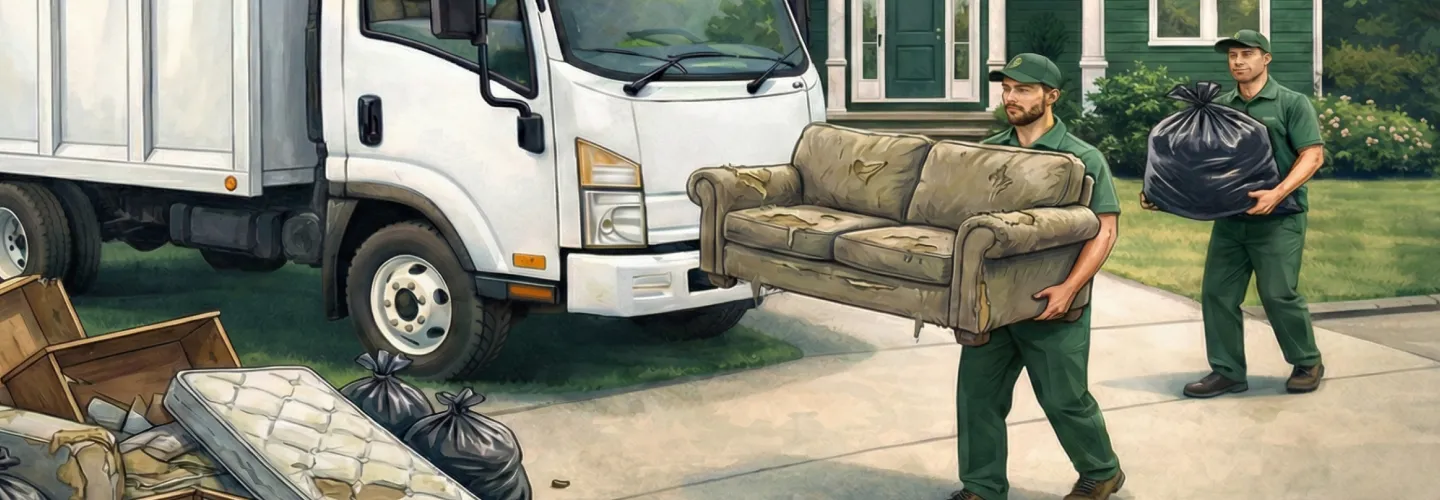
Bridgewater Junk Removal Services
Schedule now and watch your property transform with same-day pickup and stress-free hauling!
Get a Free QuoteExpert Junk Removal Solutions for Bridgewater's, MA Diverse Property Needs
Tailored Cleanouts for Every Bridgewater Home and Business
Bridgewater’s unique blend of historic neighborhoods and natural landscapes means junk removal needs shift with the seasons. In winter, residents often require post-storm cleanup, safe disposal of salt-damaged outdoor items, and removal of old snow equipment. Spring brings renovation debris, especially in neighborhoods like Scotland Heights, High Street, and Titicut, while summer sees yard waste pile up near local parks such as Stanley Iron Works Park and the banks of the Taunton River. Fall is marked by leaf and branch cleanup in tree-lined communities like Elm Street and South Street, along with outdoor furniture disposal. Year-round, homes near the Town River may face basement flooding, and growing families or estate cleanouts create ongoing demand for responsible junk removal.
Bridgewater’s commercial districts—including the Central Square retail corridor, Bridgewater Business Park, and the Route 18 office area—rely on regular hauling for everything from inventory disposal to equipment upgrades and fixture removal. Local businesses benefit from prompt, professional service that keeps their operations running smoothly and their properties clutter-free. By partnering with local environmental programs and following best practices for recycling and disposal, our services help maintain the cleanliness and appeal of the community. For more information on local resources and waste management initiatives, visit the Village/City of Bridgewater Official Website.
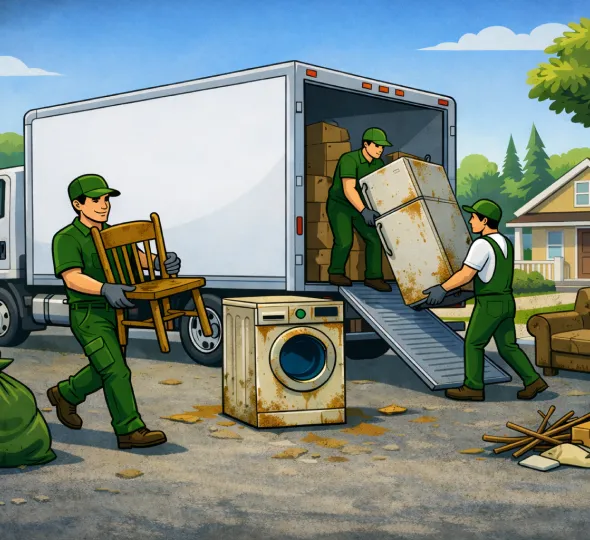
Our Bridgewater Residential & Commercial Junk Removal Services
Bridgewater Commercial Junk Removal Services
Bridgewater Specialty & Other Junk Removal Services
Why Choose Bridgewater Junk Removal Services
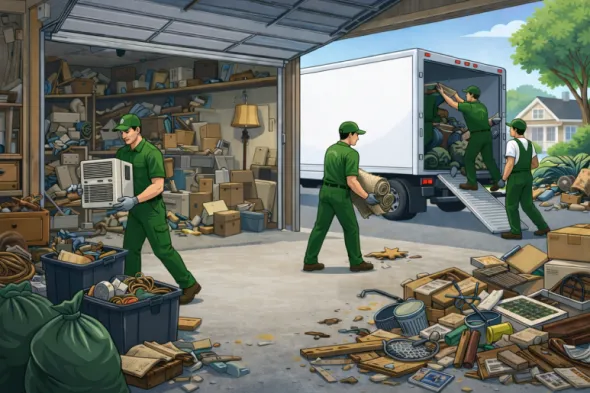

Comprehensive Junk Removal Solutions
-
Competitive Pricing
-
Experienced Professional Team
-
Fast and Reliable Service
-
Eco-Friendly Disposal
-
Flexible Scheduling
-
Satisfaction Guarantee
Understanding Bridgewater’s Waste Management Infrastructure & Municipal Disposal Requirements
Bridgewater’s solid waste management is coordinated by the Department of Public Works (DPW), which oversees curbside collection, bulk waste pickup, and operation of the municipal transfer station. Curbside trash and recycling are collected weekly, while bulk waste pickup is available by appointment for items such as furniture and appliances. The Bridgewater Transfer Station, located at 151 High Street, accepts residential waste, recyclables, and select bulky items; tipping fees apply for certain materials, with rates posted on the city website. Special collection events, including household hazardous waste and electronics recycling days, are scheduled throughout the year. Residents should consult the DPW for the latest schedules, accepted materials, and disposal fees.
Department of Public Works
151 High Street, Bridgewater, MA 02324
Phone: (508) 697-0931
Official Website: Department of Public Works
For comprehensive state regulations, visit the Massachusetts Department of Environmental Protection Solid Waste Master Plan.
- Weekly curbside trash and recycling collection
- Bulk waste pickup by appointment (fees may apply)
- Transfer station open Tuesday–Saturday, 7:00 am–3:00 pm
- Special collection events for hazardous and electronic waste
Bridgewater’s Recycling Requirements & Material Recovery Programs
Bridgewater participates in Massachusetts’ robust recycling initiatives, aiming to divert recyclable materials from landfills and promote sustainability. The city’s single-stream recycling program accepts paper, cardboard, plastics (#1–7), glass, and metals. Massachusetts law prohibits disposal of electronics, mattresses, and certain hazardous items in municipal waste streams. Residents can bring electronics to the transfer station or attend city-sponsored e-waste collection events. Mattress recycling is available at the transfer station for a nominal fee. Donation partnerships with local organizations, such as Goodwill and Habitat for Humanity ReStore, support reuse and waste reduction. For a full list of accepted recyclables and drop-off locations, consult the Bridgewater Recycling Program.
- Single-stream recycling accepted curbside
- Electronics and mattresses banned from landfill disposal
- E-waste and mattress drop-off at transfer station
- Donation options for reusable items
Bridgewater Municipal Regulations & Permits for Junk Removal Services
Junk removal operations in Bridgewater must comply with municipal regulations governing waste hauling, right-of-way use, and code enforcement. All waste haulers require a valid business license and must register with the city. Placement of dumpsters or containers on public streets necessitates a right-of-way permit, which costs $50 and requires a minimum of three business days for processing. Insurance and bonding are mandatory for all permitted haulers. In historic districts or areas governed by homeowners’ associations, additional approvals may be required for demolition debris or large-scale cleanouts. Code enforcement monitors compliance and issues penalties for violations, such as illegal dumping or improper container placement.
Code Enforcement Office
66 Central Square, Bridgewater, MA 02324
Phone: (508) 697-0926
Official Website: Code Enforcement Office
- Business license required for waste haulers
- Right-of-way permits for street dumpsters ($50 fee)
- Insurance and bonding documentation mandatory
- Additional approvals in historic/HOA areas
Electronics Disposal & E-Waste Recycling Laws in Massachusetts
Massachusetts enforces a landfill ban on electronics, including televisions, monitors, computers, and printers, under state law. Residents and businesses in Bridgewater must recycle these items through approved drop-off centers or city-sponsored collection events. The Bridgewater Transfer Station accepts most electronics for recycling; fees may apply for certain devices. Data security is the responsibility of the disposer—ensure all personal data is wiped before recycling. For a list of prohibited items and collection sites, visit the Massachusetts Department of Environmental Protection Electronics Recycling page. Illegal disposal can result in fines of $100–$500 per violation.
- Landfill ban on electronics (TVs, computers, monitors, printers)
- Drop-off at transfer station or e-waste events
- Data destruction required for businesses
- Fines for improper disposal
Appliance Removal & Refrigerant Recovery Requirements in Bridgewater
Disposal of appliances containing refrigerants—such as refrigerators, freezers, and air conditioners—must comply with federal Clean Air Act Section 608 regulations. Only EPA-certified technicians may recover refrigerants prior to disposal. The Bridgewater Transfer Station accepts white goods after proper refrigerant removal and documentation. Residents should schedule bulk pickup or drop-off and confirm that appliances are processed in accordance with both city and federal requirements. For more information on appliance disposal and refrigerant recovery, consult the EPA Section 608 resource and the city’s DPW.
- EPA-certified refrigerant recovery required
- White goods accepted at transfer station (with documentation)
- Bulk pickup available by appointment
- Federal and local compliance mandatory
How Bridgewater’s Climate, Geography & Soil Conditions Affect Junk Removal & Disposal
Bridgewater’s climate, characterized by cold winters and humid summers, influences waste management logistics. Snow and ice can restrict access to narrow residential streets, especially in older neighborhoods, necessitating flexible scheduling for junk removal. Spring and fall bring increased demand due to yard cleanups and storm debris. The town’s mix of historic districts and newer developments presents varying access challenges, from limited street parking to steep driveways. Flood-prone areas near the Taunton River may require special handling for water-damaged materials. Residents are encouraged to monitor weather advisories and coordinate with the DPW for safe, timely removal during adverse conditions.
- Winter snow/ice impacts street access
- Spring/fall increase yard and storm debris
- Flood zones require special disposal protocols
- Historic areas may have narrow or restricted access
What Neighborhoods Do We Serve Throughout Bridgewater, MA?
Downtown Bridgewater: The commercial and residential core features limited street parking and older buildings, often requiring coordination with city parking permits for curbside removal.
Bridgewater State University Area: High student turnover leads to increased waste volume during move-out season; narrow streets and multi-unit housing present access challenges.
Scotland Park: Suburban neighborhood with wide driveways and detached homes, ideal for large appliance and furniture removal projects.
Titicut: Historic district with 19th-century homes; special permits may be needed for demolition debris due to preservation guidelines.
South Bridgewater: Mix of single-family and commercial properties; ongoing needs for bulk waste and construction debris removal.
High Street Corridor: Features a blend of older homes and new developments; some properties require careful planning for truck access and container placement.
Elmwood: Residential area with mature trees and seasonal yard waste; access may be limited during winter months due to snow accumulation.
Construction Debris Sorting & Material Separation Requirements in Bridgewater
Bridgewater enforces strict material separation requirements for construction and demolition (C&D) debris. State law mandates that concrete, asphalt, wood, metal, and clean gypsum be sorted for recycling or reuse. The transfer station accepts sorted C&D materials; mixed loads may incur higher tipping fees. Lead-based paint and asbestos, common in pre-1978 homes, must be handled in accordance with the EPA Lead Renovation, Repair & Painting Rule. Contractors and property owners are responsible for proper documentation and compliance. For a list of accepted materials and disposal guidelines, visit the Bridgewater Transfer Station page.
- C&D debris must be sorted by material type
- Lead/asbestos require special handling and documentation
- Higher fees for unsorted or contaminated loads
- State and federal compliance required
How Massachusetts Statewide Waste Reduction Goals Impact Bridgewater Services
Massachusetts’ Solid Waste Master Plan sets ambitious waste reduction and recycling targets for all municipalities, including Bridgewater. The state’s landfill bans on organics, electronics, and mattresses drive local diversion efforts. Bridgewater aligns its programs with these goals by offering expanded recycling, composting, and hazardous waste collection events. The city collaborates with the Massachusetts Department of Environmental Protection to track progress and implement new initiatives. Residents and businesses are encouraged to participate in city and state programs to help meet these objectives and reduce environmental impact.
- State landfill bans on electronics, organics, mattresses
- City programs support recycling and composting
- Collaboration with MassDEP for compliance and reporting
- Community participation essential for meeting targets
Massachusetts Department of Environmental Protection
One Winter Street, Boston, MA 02108
Phone: (617) 292-5500
Official Website: Massachusetts Department of Environmental Protection
Regional Recycling Infrastructure Serving Bridgewater & Surrounding Areas
Bridgewater benefits from access to regional recycling and disposal facilities serving Plymouth County and southeastern Massachusetts. The city’s transfer station connects residents to material recovery facilities (MRFs) for processing recyclables and C&D debris. Regional landfills and composting sites accept overflow and specialized waste streams. The EPA Region 1 New England Office provides regulatory guidance and oversight for interstate waste transport and hazardous materials management. For a directory of regional facilities and accepted materials, consult the city website or the Massachusetts landfill directory.
- Regional MRFs process recyclables and C&D debris
- Landfills and composting sites accept overflow waste
- EPA Region 1 oversees federal compliance
- Facility directory available on city and state websites
EPA Region 1 New England
5 Post Office Square, Boston, MA 02109
Phone: (617) 918-1111
Official Website: EPA Region 1 New England